The Allure of Risk and Reward
One of the primary factors driving player behavior in casinos is the psychological concept of risk and reward. Gamblers are often attracted to the potential for significant gains, which can create a thrill that is hard to resist. This sensation is compounded by the unpredictable nature of games, where the possibility of winning big can lead to a heightened sense of excitement. Many players seek the best non gamstop casinos uk because they understand that the highest returns often accompany the greatest risks. Understanding this dynamic can reveal why certain games are favored over others, as players often gravitate toward those that promise the highest returns.
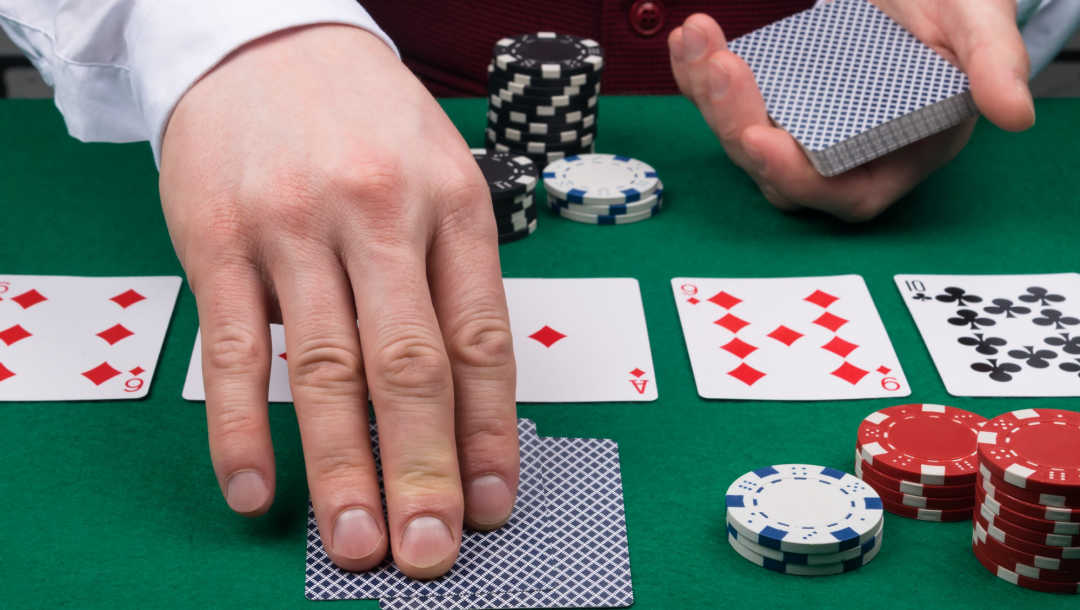
The thrill associated with risk-taking is deeply rooted in human psychology. Many individuals seek out challenges that push their limits, and casino games effectively provide a structured environment for this. The adrenaline rush combined with the potential for financial gain creates a compelling reason for players to indulge in these activities, leading them to repeatedly engage with their favorite games. This cycle of excitement and reward can be profoundly influential in shaping player choices.
The Role of Social Influence
Social dynamics play a significant role in casino game selection. Players are often influenced by the behaviors and preferences of those around them, whether it’s friends or fellow gamblers. This social aspect can lead to a shared experience that enhances enjoyment and satisfaction. For instance, group outings to casinos can amplify the thrill of games, prompting players to choose games that offer social interaction, such as poker or blackjack, rather than solitary activities like slot machines.
Moreover, the competitive nature of social gambling can drive individuals to participate in games where they feel they can outperform others. This desire for social validation can lead to preferences for games that not only provide entertainment but also a sense of status among peers. The interplay between social influence and game choice underscores the importance of community in gambling behaviors.
The Impact of Cognitive Biases
Cognitive biases significantly affect how players make decisions in casinos. Common biases, such as the gambler’s fallacy, can lead players to believe that they can predict outcomes based on past events. For example, a player might think that a losing streak in roulette means a win is due, which can lead to increased betting. These misconceptions can heavily influence game selection, as players may gravitate toward games they feel provide a ‘better’ chance of winning based on faulty reasoning.
Another cognitive bias at play is the illusion of control, where players believe they can influence the outcome of a game through skill or strategy, particularly in games like poker or sports betting. This perception can lead players to choose games that they feel more adept at, further complicating the landscape of player behavior in casinos.
Emotional States and Game Preferences
Players’ emotional states can heavily dictate their gaming choices. For example, individuals experiencing stress or anxiety may seek out games that provide a distraction, while those in a celebratory mood might lean toward high-stakes games that amplify their exhilaration. This emotional connection to gaming can also create a cycle where players associate certain games with specific feelings, reinforcing their choices over time.
Additionally, the ambiance of a casino can further influence emotional responses. Bright lights, engaging sounds, and the presence of other players can create an environment that elicits excitement and anticipation, shaping player preferences. The emotional highs and lows experienced during gambling sessions ultimately contribute to a player’s overall gaming behavior and choices.

Understanding Online Behavior and Security
As the gambling landscape evolves with the rise of online casinos, understanding player behavior becomes increasingly complex. Online platforms provide unique experiences and challenges that differ from traditional casinos. Security protocols, like those implemented by various sites to protect users from online threats, can impact how players approach their gaming choices, often influencing their trust and willingness to engage.
Players may experience access restrictions due to security measures, which can affect their perceptions of a platform and, ultimately, their game choices. Ensuring a secure environment fosters trust, which is crucial for encouraging player participation. As online gambling continues to grow, focusing on user experience while maintaining security will be paramount in shaping the future of player behavior in this digital landscape.